
Back to Practice: Yoga Class Themes for Back to School Season
Time to Renew, Refresh and Return to Yoga Practice
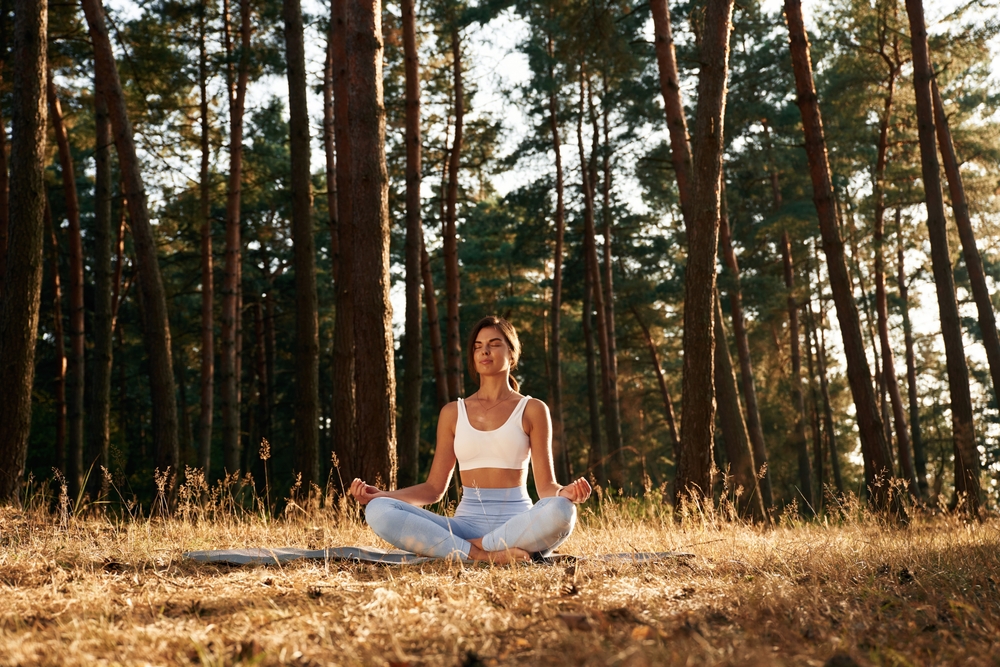
Back-to-school season is not only for students heading into classrooms. For yoga teachers, late summer can be a meaningful time to return to the practice, refresh class themes, reconnect with study, and help students move into a new season with more intention.
August and early September often carry a natural shift in energy. Summer routines begin to change. Families return to school schedules. Work rhythms may pick back up. Students may feel ready for more structure, steadiness, and support. For yoga teachers, this seasonal transition creates a beautiful opportunity to theme yoga classes around return, rhythm, curiosity, practice, and study.
A back-to-school yoga class theme does not have to feel childish or overly literal. It can be thoughtful, grounded, and useful for adult students. It can also be especially meaningful for yoga teachers, yoga teacher trainees, and lifelong students of the practice.
This article offers back-to-school yoga class ideas, yoga class themes for teachers, cueing language, sequencing inspiration, and reflection prompts you can use during late summer and early fall.
Back-to-school season naturally invites people to think about rhythm, learning, attention, and fresh starts. Even for adults who are not returning to school, this time of year often brings a feeling of transition.
Schedules shift. Summer travel slows down. Families reorganize routines. Students may return to work, school, caregiving, or teaching with a desire for more grounding and consistency.
For yoga teachers, this makes late summer a strong time to offer seasonal yoga class themes that help students reconnect with themselves and their practice.
Instead of centering the theme only around school, you can expand it into something more useful for yoga students.
Back to school can become back to the practice.
Back to rhythm.
Back to the mat.
Back to study.
Back to curiosity.
Back to what supports us.
This creates a theme that feels relevant for students of all ages and life stages. It also connects beautifully to yoga teacher training, continuing education, and the idea that yoga teachers are always students too.
Seasonal yoga class themes help students notice where they are in the year and in their lives. A back-to-the-practice theme can support students as they move from summer into a more structured season.
This can be especially helpful for students who feel scattered, overstimulated, or out of routine after summer. Yoga gives them a place to return to breath, body, attention, and intention.
A return to practice does not mean students have lost progress or need to begin again from the beginning. It simply means they are reconnecting with something that supports them.
As yoga teachers, we can frame return in a compassionate and empowering way. Students may be coming back after travel, caregiving, illness, stress, busy schedules, or time away from the mat. The class can remind them that the practice is still available.
Yoga is a practice of returning.
Returning to breath.
Returning to awareness.
Returning to the body.
Returning to presence.
Returning to what matters.
This theme works well because it is simple and accessible. Students do not need to force a dramatic reset. They can come back one breath, one pose, and one choice at a time.
You might use cues like:
“Notice what it feels like to arrive here today.”
“Let this be a return to what supports you.”
“You do not have to rush back into your practice. Let yourself enter it one breath at a time.”
“Today’s practice is an invitation to come back to your body with curiosity.”
“Let the mat be a place where you remember what steadiness feels like.”
A “return to the mat” theme is perfect for late summer yoga classes. It is simple, welcoming, and easy for students to connect with.
This theme works well for all-levels classes, beginner-friendly classes, online yoga classes, and studio classes where students may be returning after a less consistent summer season.
Start slowly with grounding shapes. Use Child’s Pose, Constructive Rest, Easy Seat, or a supported reclined posture.
Move into gentle breath-led movement such as Cat and Cow, seated side bends, low lunges, and simple standing shapes.
Include familiar poses like Mountain Pose, Warrior II, Triangle Pose, Tree Pose, and Downward Facing Dog. Familiarity can help students feel steady and successful.
Close with a longer rest or a short seated reflection.
What am I ready to return to?
What supports me when life feels full?
What part of my practice feels most available right now?
What helps me feel steady?
Back-to-school season is a beautiful time to teach around beginner’s mind. In yoga philosophy and mindfulness practice, beginner’s mind invites us to meet familiar things with fresh attention.
For yoga teachers, this is one of the strongest back-to-school yoga themes because it can make even basic poses feel meaningful.
Choose simple, familiar poses and invite students to notice something new.
Mountain Pose can become a study of the feet.
Warrior II can become a study of steadiness.
Cat and Cow can become a study of spinal movement.
Tree Pose can become a study of balance and focus.
Savasana can become a study of receiving support.
You might say:
“Even if you have practiced this pose many times, notice what it has to teach you today.”
“Let this be familiar without becoming automatic.”
“Beginner’s mind does not ask us to forget what we know. It invites us to stay curious.”
“Notice one detail in this shape that you usually move past quickly.”
Back-to-school season is a natural fit for a “back to basics” yoga class. This is especially useful for yoga teachers who want to offer a class that feels accessible, grounded, and supportive.
Back to basics does not mean shallow. Basic yoga poses can be powerful when taught with clarity, attention, and care.
You can build a full class around foundational poses and actions.
Focus on:
Mountain Pose and standing alignment.
Breath awareness.
Safe transitions.
Using props as support.
Neutral spine.
Steady pacing.
Simple Sun Salutations.
Foundational standing poses.
Clear exits from poses.
This type of class is helpful for newer students and experienced students. Newer students gain confidence. Experienced students get to refine their relationship with familiar shapes.
Try language like:
“Let’s give attention to the pieces of the practice that support everything else.”
“Basics are not something we move past. They are something we return to.”
“Notice how a small adjustment changes your experience.”
“Let the foundation of the pose support the rest of the shape.”
Late summer often brings changing routines. A yoga class themed around rebuilding rhythm can help students transition from summer looseness into steadier patterns.
This theme connects well to breath-linked movement, repetition, and intentional pacing.
Use repeated movement patterns to create steadiness.
Try:
Three rounds of Cat and Cow.
Repeated Low Lunge to Half Split.
Half Sun Salutations.
A simple standing sequence repeated on both sides.
Breath-led transitions from Mountain Pose to Chair Pose.
Gentle flow followed by longer holds.
The repetition gives students a sense of rhythm without needing a complicated sequence.
You might say:
“Let the repetition help you settle.”
“Notice the rhythm of breath and movement.”
“Each round gives you another chance to arrive.”
“Let this sequence become familiar enough that you can feel it from the inside.”
Back-to-school season naturally brings in the idea of study. In yoga, this can connect beautifully to svadhyaya, often translated as self-study.
A “study yourself” theme invites students to notice their patterns, preferences, responses, and inner experience during practice.
Svadhyaya can be introduced in simple language.
You can frame it as the practice of paying attention to yourself with honesty and curiosity.
Students might notice:
Where they rush.
Where they hold tension.
Where they want to push.
Where they avoid.
Where they feel supported.
Where they feel steady.
Where they need more choice.
This theme can be especially meaningful for yoga teachers and yoga teacher trainees because it reminds us that teaching begins with observation.
What am I noticing today?
What patterns show up when I practice?
Where do I feel supported?
Where do I tend to rush?
What is my body asking for in this season?
A back-to-school yoga class can also invite students to reflect on what they are ready to learn in the next season of life.
This theme works well for yoga teachers, continuing education, yoga teacher training communities, and students who enjoy reflective practice.
Yoga is not something we master once and complete. It continues to unfold as we practice, study, teach, and live.
For yoga teachers, this theme can be a reminder that teaching yoga does not mean being finished learning. It means staying in relationship with the practice.
You can theme the class around curiosity. Use familiar poses and ask students to notice what they still have to learn from them.
This class might include:
A grounding arrival.
Foundational standing poses.
Longer holds with inquiry.
Journaling after practice.
A short meditation on curiosity.
A closing prompt about study or growth.
Try cues like:
“What is this pose teaching you today?”
“What are you ready to approach with curiosity?”
“Let the practice be a place where you keep learning about yourself.”
“Notice what feels familiar and what feels new.”
Back-to-school season often brings structure back into focus. For some students, structure can feel grounding. For others, it may feel restrictive. In yoga, structure can be presented as a form of support.
A yoga class themed around structure can help students experience how clear boundaries, repetition, and rhythm can create steadiness.
Use a simple, clear sequence with repeated elements. Let students know they will see certain shapes more than once.
For example:
Grounding breath.
Cat and Cow.
Downward Facing Dog.
Low Lunge.
Warrior II.
Triangle Pose.
Tree Pose.
Seated Forward Fold.
Rest.
You can repeat certain transitions to help students feel more confident and connected.
You might say:
“Let the structure of the practice support your attention.”
“Notice how repetition can create steadiness.”
“Structure can give us a place to return.”
“Let this framework hold you as you move through the practice.”
A late summer yoga class can help students honor the season they are leaving while preparing for what comes next.
This is a softer back-to-school yoga theme that works well for gentle yoga, slow flow, restorative yoga, or meditation classes.
Invite students to reflect on what they want to carry forward from summer.
This could include:
Joy.
Rest.
Warmth.
Connection.
Play.
Spaciousness.
Time outside.
Creativity.
A slower pace.
Then invite them to notice what kind of support they need for the next season.
What did this summer teach me?
What do I want to carry into the next season?
What rhythm would support me now?
What part of my practice do I want to return to?
A back-to-the-practice yoga sequence can be simple, steady, and accessible. The goal is to help students return to their bodies and reconnect with the practice.
Begin in Easy Seat or Constructive Rest.
Practice breath awareness for two to three minutes.
Move through Cat and Cow.
Add Thread the Needle.
Come into Downward Facing Dog.
Step into Low Lunge.
Move between Low Lunge and Half Split.
Rise to Warrior II.
Transition to Triangle Pose.
Return to Mountain Pose.
Practice Tree Pose.
Come down to a seated Forward Fold.
Add a gentle twist.
Close with Savasana or a supported rest.
This sequence gives students grounding, repetition, balance, and reflection without feeling overly complicated.
Blocks, blankets, bolsters, straps, and walls can help make the class more accessible. For a back-to-school yoga class, props can also support the theme of returning to foundations.
You might invite students to use blocks in standing poses, a blanket under the hips in seated shapes, or a bolster for rest.
Cueing can help bring the theme into the room without overexplaining it. A few simple phrases throughout class are often enough.
“Let this be a place to return to yourself.”
“Notice what helps you feel grounded today.”
“Come back to your breath when you need a point of focus.”
“Let the practice meet you as you are in this season.”
“Stay curious about what is happening in your body.”
“Notice one detail you have not paid attention to before.”
“Let this familiar shape offer something new.”
“Approach the practice as a student today.”
“Let the repetition support you.”
“Move with a pace that helps you stay connected.”
“Let the breath give the movement a rhythm.”
“Notice how structure can create ease.”
Back-to-school yoga themes can easily become too cute if the teacher relies only on school supplies, classroom language, or novelty. For adult students, the theme works best when it is connected to deeper ideas like rhythm, study, return, curiosity, and practice.
Focus on the emotional and seasonal energy of back-to-school season rather than the literal imagery.
Instead of building a class around pencils or backpacks, build it around returning to what supports us, studying ourselves, refreshing routines, or choosing what we want to learn next.
Adults understand seasonal transition. They understand changing routines, full calendars, and the desire to feel more grounded.
A thoughtful back-to-school yoga class can speak to those experiences in a way that feels mature and useful.
For yoga teachers, back-to-school season can also be a reminder to return to your own role as a student.
Teaching yoga is a living practice. It grows through continued study, personal practice, feedback, reflection, and experience.
Yoga teachers continue learning through:
Personal practice.
Continuing education.
Mentorship.
Yoga philosophy.
Anatomy study.
Accessible yoga training.
Meditation.
Restorative yoga.
Trauma-informed yoga.
Practice teaching.
Student feedback.
This season can be a meaningful time to ask what part of your teaching or practice is ready for more attention.
What do I want to study this season?
What part of my teaching feels ready to grow?
What part of my personal practice needs care?
Where do I want more confidence?
What kind of support would help me keep learning?
Back-to-school season is a beautiful time for yoga teachers to create classes around return, rhythm, study, curiosity, and practice.
A back-to-the-practice yoga class can help students transition from summer into a new season with steadiness and intention. It can also remind yoga teachers that the practice is always available as a place to return, learn, and grow.
Whether you teach a class around beginner’s mind, back to basics, self-study, rhythm, or seasonal transition, the heart of the theme is simple.
Come back to the practice.
Come back to the breath.
Come back to the body.
Come back to what supports you.
And let this new season become an invitation to keep learning.